FCS XVII workshop at TIFR Hyderabad
The FCS XVII workshop, held on November 19-20, 2026 at TIFR Hyderabad, marked the finale of FCS XVII, the 17th National Workshop on Fluorescence and Raman Spectroscopy. The initiative traces its origins to 2009, when Prof. Sudipta Maiti established the meeting at TIFR Mumbai to provide Indian PhD students and scientists with practical exposure to advanced optical instrumentation. Since 2013, the initiative has been sustained by the Fluorescence Society, with industry support.
This year, TIFR Hyderabad (TIFRH) organised the programme in collaboration with BITS Pilani Hyderabad. The series began with online lectures in October, followed by a four-day international conference at BITS Pilani Hyderabad (November 15 – 18, 2026).
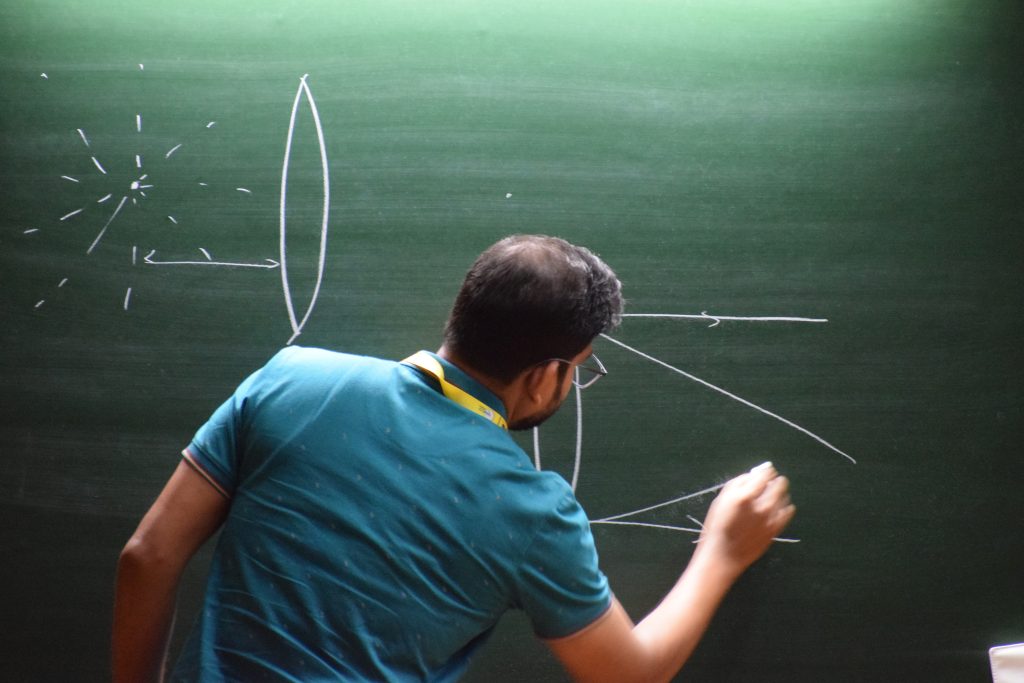
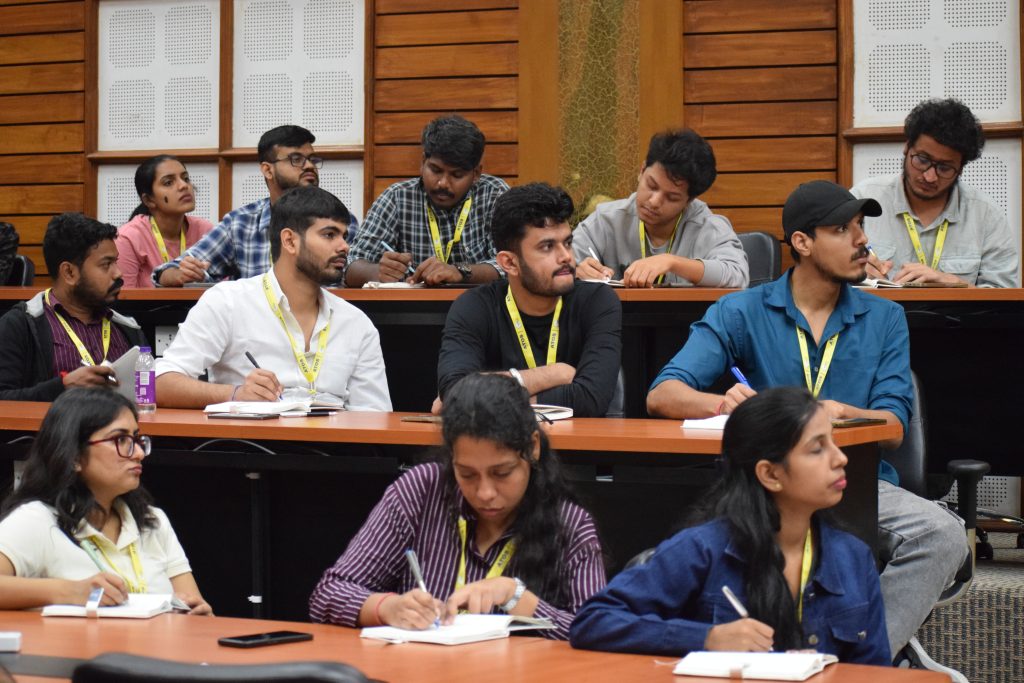
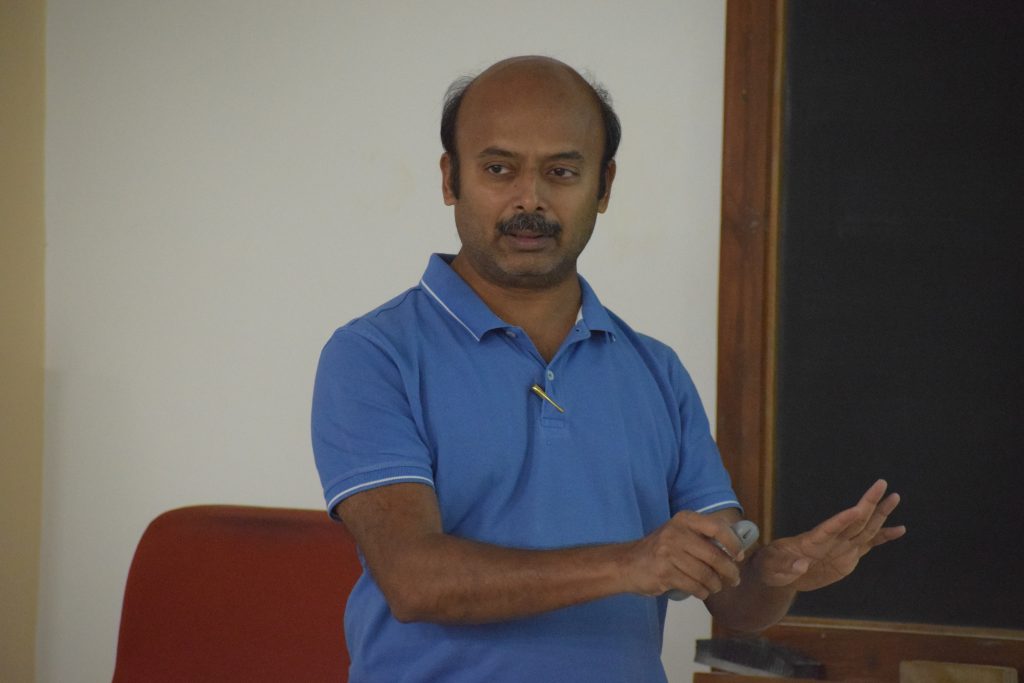
The workshop at TIFRH translated these concepts into practical experience for approximately 70 participants, primarily PhD students, along with a few postdoctoral researchers selected from institutions across India. Following morning tutorial lectures in two parallel halls and a welcome address by the Centre Director, participants engaged in hands-on laboratory sessions. Working in small groups, they rotated through research-grade demonstrations covering TIRF/STORM super-resolution imaging, optical tweezers, Raman spectroscopy, lifetime FCS and FLIM, and spinning-disk confocal microscopy with expansion microscopy.
A major highlight was the DIY microscopy track, introduced at TIFRH this year through the efforts of Kanchan Garai and Chaitanya Suddapalli. Working in teams of two or three, participants built transmission and fluorescence microscopes from scratch using 3D-printed optomechanical components, microscope-quality optics, and custom-built LED and laser light sources. Additional teams developed electronics and automation for experiments under the guidance of Satyanarayana Bheesette.
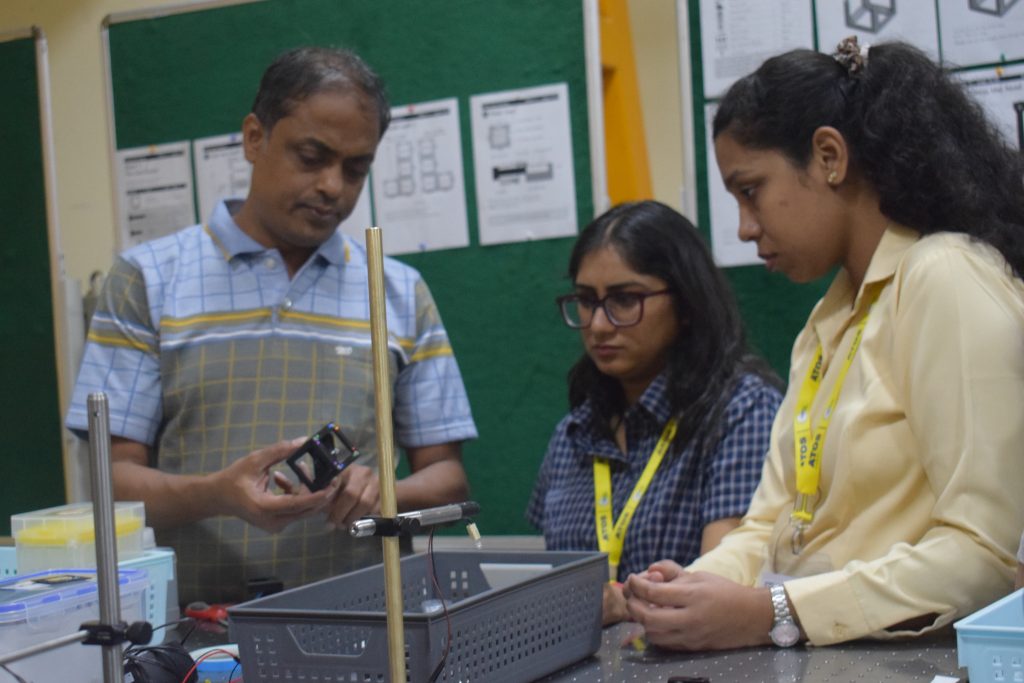
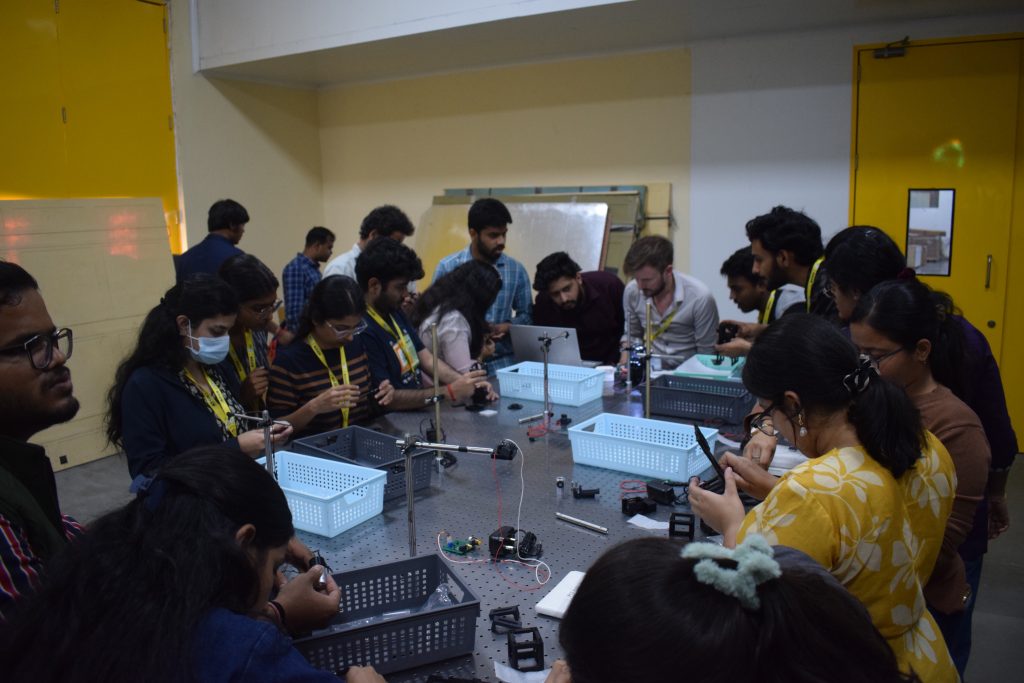
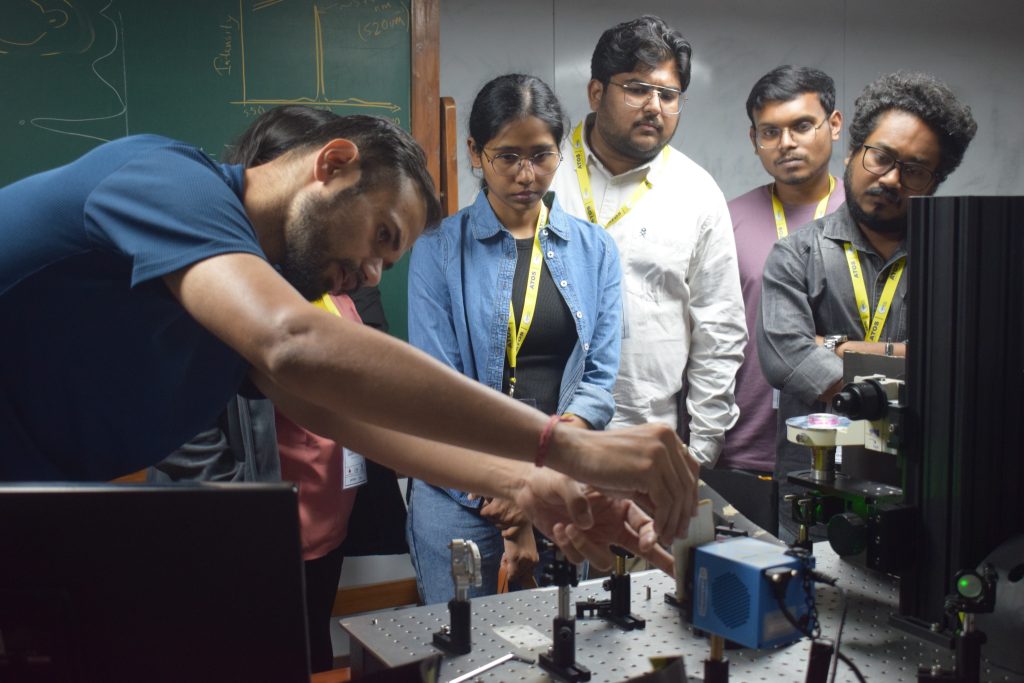
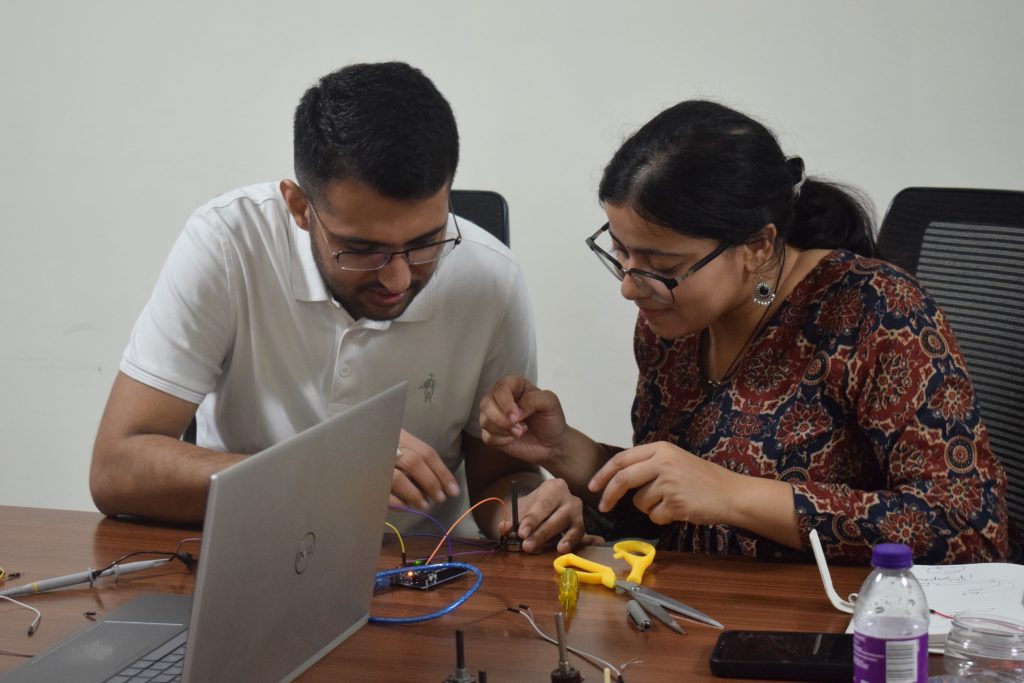
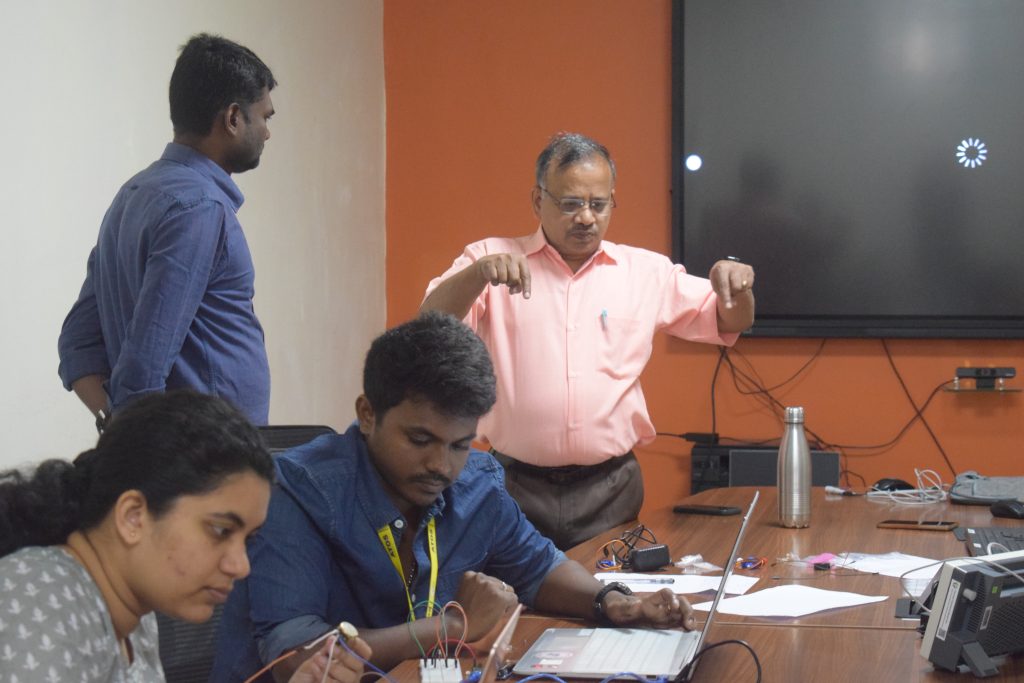
Reflecting the Fluorescence Society’s motto, “Be Creative With Light,” the workshop aimed to demonstrate that advanced optical tools can be understood, constructed and adapted, rather than treated as black boxes. Bringing together a wide range of advanced instruments and expert instructors in an intensive hands-on programme of this scale is an opportunity available at very few institutions in India. The initiative was greatly appreciated by participating faculty and students from across the country.
The workshop was made possible by the dedicated efforts of a team of volunteers who installed, operated and supported the instruments throughout the programme.
Further details are available at https://fluorescenceindia.org/workshop/fcsxvii/.