
విజ్ఞాన రహస్యాలను వాసన పట్టడం నేర్చుకున్నాను
– దేవకీనందన్
“వావ్! నేను కొత్తదాన్ని కనుగొన్నాను!” ఇది ఒక శాస్త్రవేత్త జీవితంలో చాలా అరుదుగా వచ్చే క్షణం. చిన్న క్షణమే అయినా, అది ఎంతో విలువైనది. ఎన్నో విఫలమైన ప్రయోగాలు, నిద్రలేని రాత్రులు, ఆందోళనలు – ఇవన్నీ ఆ ఒక్క ఆనంద క్షణం కోసం సార్థకం అవుతాయి. నాకు ఆ ఆవిష్కరణ కలిగించే ఆనందమే ప్రేరణ. అదే నన్ను ముందుకు నడిపిస్తుంది, నేను నా పనిని ఎందుకు ప్రేమిస్తున్నానో గుర్తు చేస్తుంది.
నేను దేవకీనందన్, హైదరాబాద్లోని టాటా ఇన్స్టిట్యూట్ ఆఫ్ ఫండమెంటల్ రీసెర్చ్ నుంచి ఇటీవల పీహెచ్డీ పూర్తిచేశాను. నా పీహెచ్డీ సమయంలో, జంతువుల ముక్కులో ఉండే న్యూరాన్లు (నాడీ కణాలు) ఫెరోమోన్లు అనే అజ్ఞాత రసాయన సంకేతాలను ఎలా గుర్తిస్తాయో అర్థం చేసుకోవడంపై పని చేశాను.
ఫెరోమోన్లు అనేవి చాలా ఆసక్తికరమైన అణువులు. ఇవి వాసనల రూపంలో ఉండే రసాయనాలు, కొన్నిసార్లు చిన్న ప్రోటీన్లు కూడా అవుతాయి. ఇవి ఎక్కువగా జంతువుల శరీర స్రావాలలో ఉంటాయి. ఇవి రసాయన సందేశాలు – జంతువు యొక్క గుర్తింపు, లింగం, మాసిక స్థితి, అంతేకాక భావోద్వేగ పరిస్థితుల గురించి కూడా సమాచారాన్ని ఇస్తాయి.
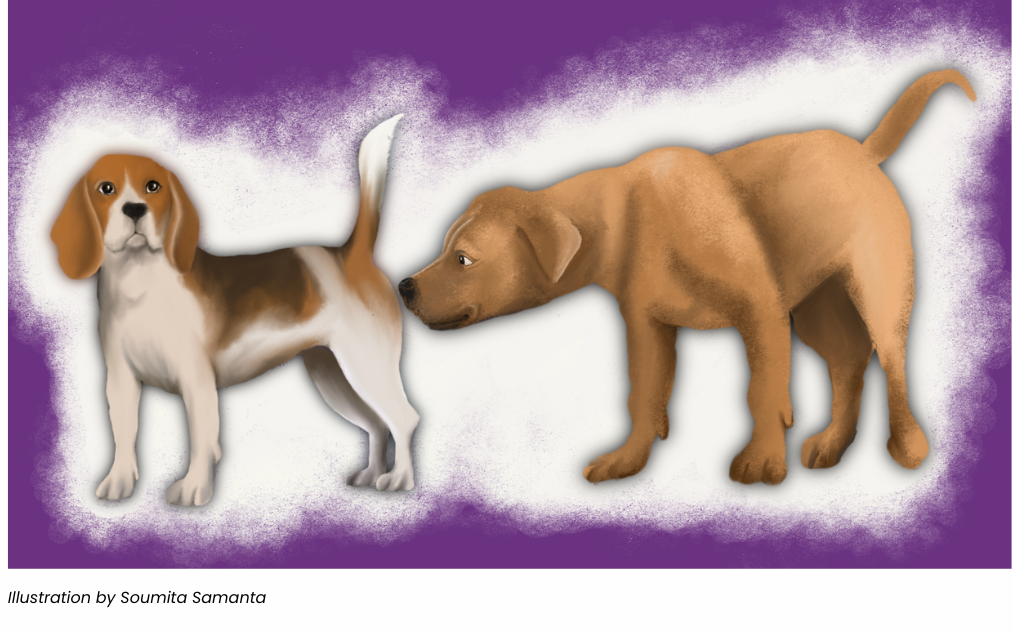
మీరు ఎప్పుడైనా ఒక కుక్క మరో కుక్క వెనుక భాగం, విద్యుత్ స్తంభం, లేదా వాహనం టైరు వాసన చూస్తున్నట్లు గమనించి ఉంటే — అదే ఫెరోమోన్ కమ్యూనికేషన్! ఈ వాసనల ద్వారా కుక్కలు అక్కడ ఎవరు ఉన్నారు, మగదా ఆడదా, ఇంకా ఎన్నో విషయాలు తెలుసుకుంటాయి. అడవిలో, ఫెరోమోన్ గుర్తింపు జంతువులకు మృగాలను గుర్తించడంలో, భాగస్వాములను (mates) కనుగొనడంలో, తమ సామాజిక పరిసరాలను అర్థం చేసుకోవడంలో సహాయపడుతుంది
ఈ ఫెరోమోన్లను గుర్తించే పని ముక్కులో ఉండే వొమెరోనాసల్ ఆర్గన్ (VNO) అనే ప్రత్యేక అవయవం చేస్తుంది. ఈ అవయవంలోని న్యూరాన్లపై రిసెప్టర్ అనే ప్రోటీన్లు ఉంటాయి. ప్రతి రిసెప్టర్ ఒక ప్రత్యేకమైన ఫెరోమోన్ను గుర్తిస్తుంది. ఒకే మూలం — ఉదాహరణకు మూత్రం — సుమారు 60కి పైగా రిసెప్టర్లను యాక్టివేట్ చేయగలదు. ఈ రసాయన సంకేతాలు తర్వాత మెదడుకు వెళ్లి అర్థమయ్యే సమాచారంగా మారుతాయి. ఈ రిసెప్టర్లు రెండు ప్రధాన తరగతులుగా ఉంటాయి. అందువల్ల రెండు రకాల న్యూరాన్లు ఏర్పడతాయి.
నా పరిశోధనలో లక్ష్యం ఈ రెండు రకాల న్యూరాన్ల మధ్య దాగి ఉన్న తేడాలను కనుగొనడమే.
ప్రయోగశాలలో నా రోజు
నా రోజు సాధారణంగా ఉదయం కాఫీతో, ల్యాబ్లో యంత్రాల మృదువైన శబ్దంతొ ప్రారంభమవుతుంది. కొన్ని రోజులు కొత్త ప్రయోగాలకు, మరికొన్ని రోజులు డేటా విశ్లేషణకు లేదా గత రోజుల్లో జరిగిన లోపాలను సరి చేయడానికి వెచ్చిస్తాను.
నా ముఖ్యమైన ప్రయోగాల్లో ఒకటి, వొమెరోనాసల్ ఆర్గన్ నుంచి న్యూరాన్లను వేరు చేసి, ఒక్కో కణంలో ఏ జీన్లు వ్యక్తమవుతున్నాయో గుర్తించడం. రాయడానికి ఇది సులభంగా అనిపించినా, ఇది చాలా కష్టమైన పని. న్యూరాన్లు చాలా సున్నితంగా ఉంటాయి — చిన్న తప్పు జరిగినా ప్రయోగం విఫలమయినట్టె.
మొదట, న్యూరాన్లను తక్కువ నష్టం కలిగే విధంగా వేరు చేయాలి. తర్వాత ప్రతి న్యూరాన్లో ఏ జీన్లు వ్యక్తమవుతున్నాయో గుర్తించాలి. కొన్ని దశల్లో ఇప్పటికే ఉన్న శాస్త్రీయ పద్ధతులను అనుసరించవచ్చు. కానీ కొన్నిసార్లు నేను మొదటిసారి చేస్తున్న కొత్త ప్రయోగమవుతుంది — ఎటువంటి మార్గదర్శకం లేకుండా, నా ఊహ, సహనం, మరియు చాలా సార్లు విఫలమై మళ్లీ ప్రయత్నించడం మాత్రమే.
విఫలాలు తరచుగా ఎదురయ్యేవి. కొన్నిసార్లు వారాల పాటు, నెలల పాటు కూడా ప్రయోగం పని చేయకపోవచ్చు. కానీ ప్రతి విఫలం కూడా ఒక పాఠం నేర్పేది — మరో దారిని చూపేది. సాయంత్రాలు నా గైడ్ లేదా సహచరులతో కూర్చొని చర్చలు, ఆలోచనలు, బోర్డులపై స్కెచ్లు — ఇవన్నీ సాధారణ దృశ్యాలు. చివరికి ఒక రోజు, అన్నీ సరిగ్గా కలిసి వస్తాయి.
నా డేటా మొదటిసారి సరిగా వచ్చిన రోజు నాకు ఇంకా గుర్తుంది. స్క్రీన్ పై చిన్నగ కానీ స్పష్టమైన సంకేతం కనిపించింది. అది ఒక ఆవిష్కరణ యొక్క మొదటి చప్పుడు. ఆ క్షణం — అన్ని కష్టాలు, నిరాశలు, రాత్రిళ్లు ఒక్కసారిగా అర్థవంతమయ్యాయి. ప్రపంచంలో ఎవరికీ తెలియని కొత్త విషయాన్ని నేను చూసిన ఆ క్షణం అనిర్వచనీయమైన ఆనందాన్ని ఇచ్చింది.
నా ఆలోచనలు
పరిశోధన చేయడం నాకు ఉద్యోగం కాదు — అది నా జీవన విధానం. ఆసక్తి దానిని నడిపిస్తుంది, పట్టుదల దాన్ని నిలబెడుతుంది. ఒక ఆవిష్కరణ సాధించడానికి జ్ఞానం, అంతఃప్రేరణ, కొంచెం అదృష్టం — ఇవన్నీ అవసరం.
నాకు విజ్ఞానం ఒక కళ లాంటిది. మొదట అనిశ్చితితో మొదలవుతుంది, తర్వాత ప్రయత్నాలు చేస్తూ, చివరికి అందమైన ఫలితాన్ని ఇస్తుంది. ప్రతి విజయవంతమైన ప్రయోగం అనేక ప్రయత్నాల తర్వాత సిద్ధమైన వంటలాంటిది.
ప్రతి శాస్త్రవేత్త ఆ అరుదైన “వావ్! నేను కొత్తదాన్ని కనుగొన్నాను!” అనే క్షణం కోసం ఎదురుచూస్తాడు. అది నెలలకోసారి మాత్రమే వస్తుంది, కానీ వచ్చినప్పుడు మనసును మంత్ర ముగ్ధం చేస్తుంది. అది ప్రకృతిలోని రహస్యాన్ని తొలిసారి చూడటంలా ఉంటుంది. ఆ అనుభూతి విలువైనది — అదే ప్రతి నిద్రలేని రాత్రిని అర్థవంతం చేస్తుంది.
(Translation in English)
Learning to Smell the Secrets of Science
by Devakinandan
“Wow, I found something new!” This is a rare emotion in a researcher’s life. It’s fleeting, precious, and powerful enough to make up for countless failed experiments and sleepless nights. For me, this feeling of the joy of discovery is what keeps me going. It fills my days with purpose and reminds me why I love what I do.
I am Devakinandan, a recent PhD graduate from the Tata Institute of Fundamental Research, Hyderabad. During my PhD, I explored the inner machinery of sensory neurons in the nose of animals, where they sense invisible chemical messages called pheromones.
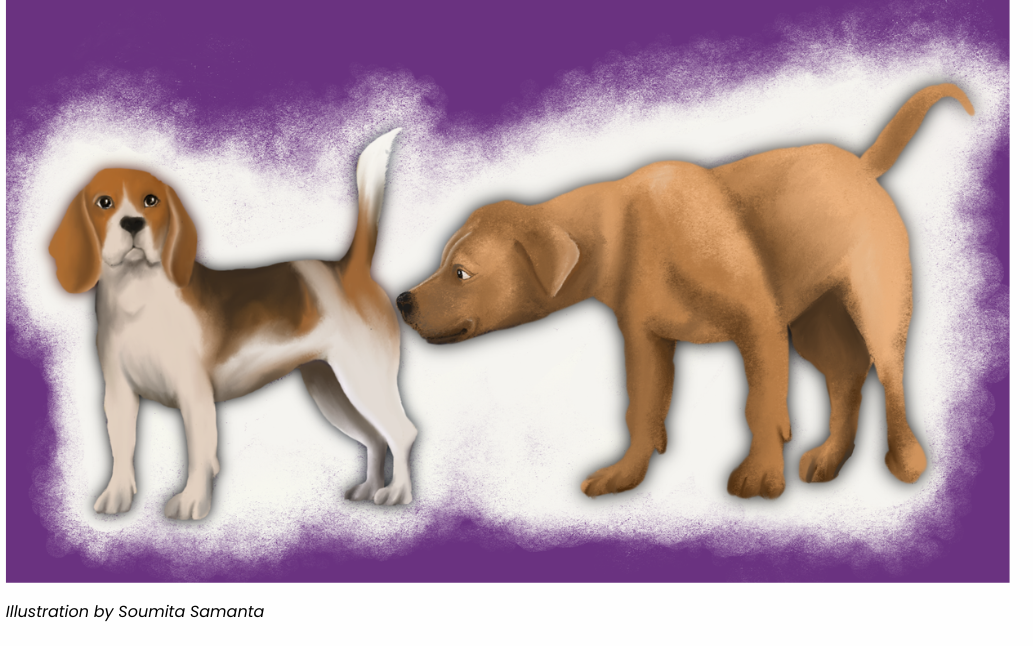
Pheromones are fascinating molecules that are volatile or non-volatile compounds, sometimes even small proteins, mostly found in the bodily secretions of animals. These are chemical messages that convey information such as identity, sex, menstrual status, and even emotional states.If you have ever seen a dog sniffing another dog’s rear end, or the base of an electric pole, or a vehicle type, you’ve witnessed pheromone communication in action. Through these scents, dogs can tell who was there, whether it was male or female, and much more. In the wild, pheromone sensing helps animals detect predators, find mates, and navigate their social world.
The task of sensing pheromones is handled by a special organ called the vomeronasal organ (VNO). The neurons here carry specialized proteins on their surface called receptors, each designed to recognize certain pheromones. The complexity is astounding, a pheromone source such as urine can activate over sixty different receptors on different neurons. This chemical code is then translated into signals that the brain can interpret. There are two main classes of these receptors, which means two distinct types of neurons. My research aimed to uncover the hidden differences between these two groups. How they are built differently, and what that means for the animal’s behavior.
A Day in the Lab
A typical day during my PhD began early, often with a strong cup of coffee and the quiet hum of machines in the lab. Some days were devoted to experiments, others to analyzing data or troubleshooting what went wrong the previous day.
One of my major experiments involved isolating neurons from the vomeronasal organ and identifying the genes expressed by each cell. On paper, it sounds straightforward, but in reality, it is like performing surgery on soap bubbles. The neurons are delicate, and even the tiniest mistake can ruin the entire experiment. Each step required precision, patience, and persistence. First, extracting neurons from the tissue with minimal damage. Next, capturing and measuring the expression of genes in each neuron. For some steps, I could rely on established scientific protocols. But sometimes, I was the first person attempting a particular experiment – there was no manual, no prior reference, just intuition and countless rounds of trial and error.
Failures were frequent. Some experiments refused to work for weeks or months. Yet each failure carried a lesson, a hint, a direction to refine. Many evenings ended with long discussions with my mentor or colleagues, brainstorming, questioning, sketching out new approaches on whiteboards. And then, one day, everything would align.
I still remember the first time I saw my data come together, a small but clear signal on the screen, a whisper of discovery. That moment made every frustration worthwhile. It was something new, something no one else in the world had seen before.
Reflections
Doing science is not just a job; it is a way of life shaped by curiosity and driven by perseverance. It takes intuition, deep knowledge, and a bit of luck to reach that rare point where your hard work crystallizes into discovery.
For me, science is like art, you start with uncertainty, experiment with form and color, and slowly shape something beautiful and meaningful. Each successful experiment is like perfecting a dish after countless trials or sculpting something exquisite from raw material.
Every researcher chases that rare “Wow, I found something new!” moment. It may come only once in months, but when it does, it fills you with wonder. A reminder that you’ve glimpsed a secret of nature that no one else has. That feeling is priceless, and it’s what makes every sleepless night worth it.
(Article in Telugu reviewed by V. Chandrasekhar; Featured image (VNO in mouse): Devakinandan, PhD Thesis)